-
-
What books do you want to read?
As a surface print designer, I’m always balancing intuition with intention. These five books feel like anchors — reminders of what I want my work, thinking, and creative life to be rooted in.
1. Ways of Seeing – John Berger
Why I know I need it: to question how I look at images.
I already know this book will challenge me. It asks you to slow down and really interrogate images, how they’re read, who they’re for, and what power they hold.
Because my work lives in the visual world, this feels essential. Pattern, decoration, and design are often treated as surface-level, but this book pushes against that idea. I know that once I read it, I won’t be able to “unsee” certain things and that’s exactly why it’s been waiting.
2. The Grammar of Ornament – Owen Jones
Why I know I need it: to deepen my relationship with pattern.
This is one of those books that doesn’t demand urgency it demands time. It represents centuries of ornament, symbolism, and visual systems from across cultures.
I work with pattern every day, but I know there’s more beneath the surface. This book feels like a reminder that ornament has always carried meaning, structure, and cultural weight. It’s not about copying it’s about understanding lineage.
3. The Secret Lives of Colour – Kassia St Clair
Why I know I need it: to stop choosing colour instinctively and start choosing it deliberately.
Colour already plays a huge role in my work, but this book promises to go beyond preference and trend. It explores colour through history, emotion, and cultural context, which is exactly where I want my design decisions to live.
I know reading it will quietly change how I build palettes and talk about colour, not louder, just more grounded.
4. Braiding Sweetgrass – Robin Wall Kimmerer
Why I know I need it: to protect my creativity from burnout.
This is the book I keep hearing about when people talk about slowing down, reconnecting, and creating with care. It’s not a design book, but it feels deeply relevant to anyone whose work is inspired by nature, cycles, and emotion.
I know this book will soften something in me and that feels important in a creative industry that often pushes speed and output over reflection.
5. Show Your Work – Austin Kleon
Why I know I need it: to share my work without losing myself.
Visibility is part of running a creative business, but it doesn’t always come naturally. This book reframes sharing as process rather than performance something I already believe, but want to practice more consistently.
I know this book will help me show up in a way that feels aligned, calm, and sustainable, especially as I continue building a body of work and an audience around it.
Why These Books Are Waiting
I haven’t read these books yet and that’s okay. Some books aren’t meant to be rushed. They’re meant to meet you when you’re ready to absorb them, not just consume them.
Together, these books represent the kind of designer I want to keep becoming:
• Thoughtful rather than reactive
• Curious rather than trend-led
• Grounded rather than performative
When I do finally read them, I know they won’t just add information, they’ll add depth.
And that’s worth waiting for.
-
List five things you do for fun.
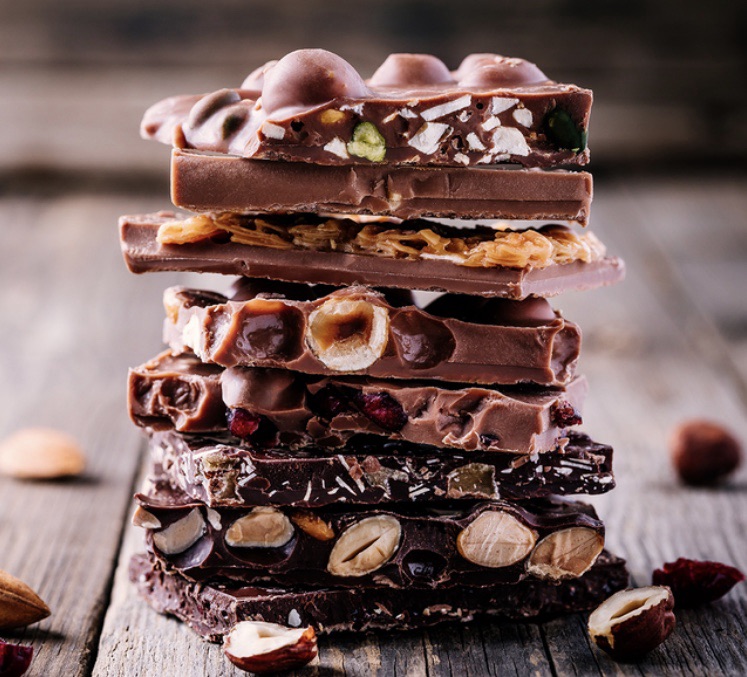
- The smell and taste of chocolate
- Finding comfort and aesthetics coming together in a pair of shoes
- My moods expressed in Art
- Walking at night
- Holding hands
-
If you could un-invent something, what would it be?
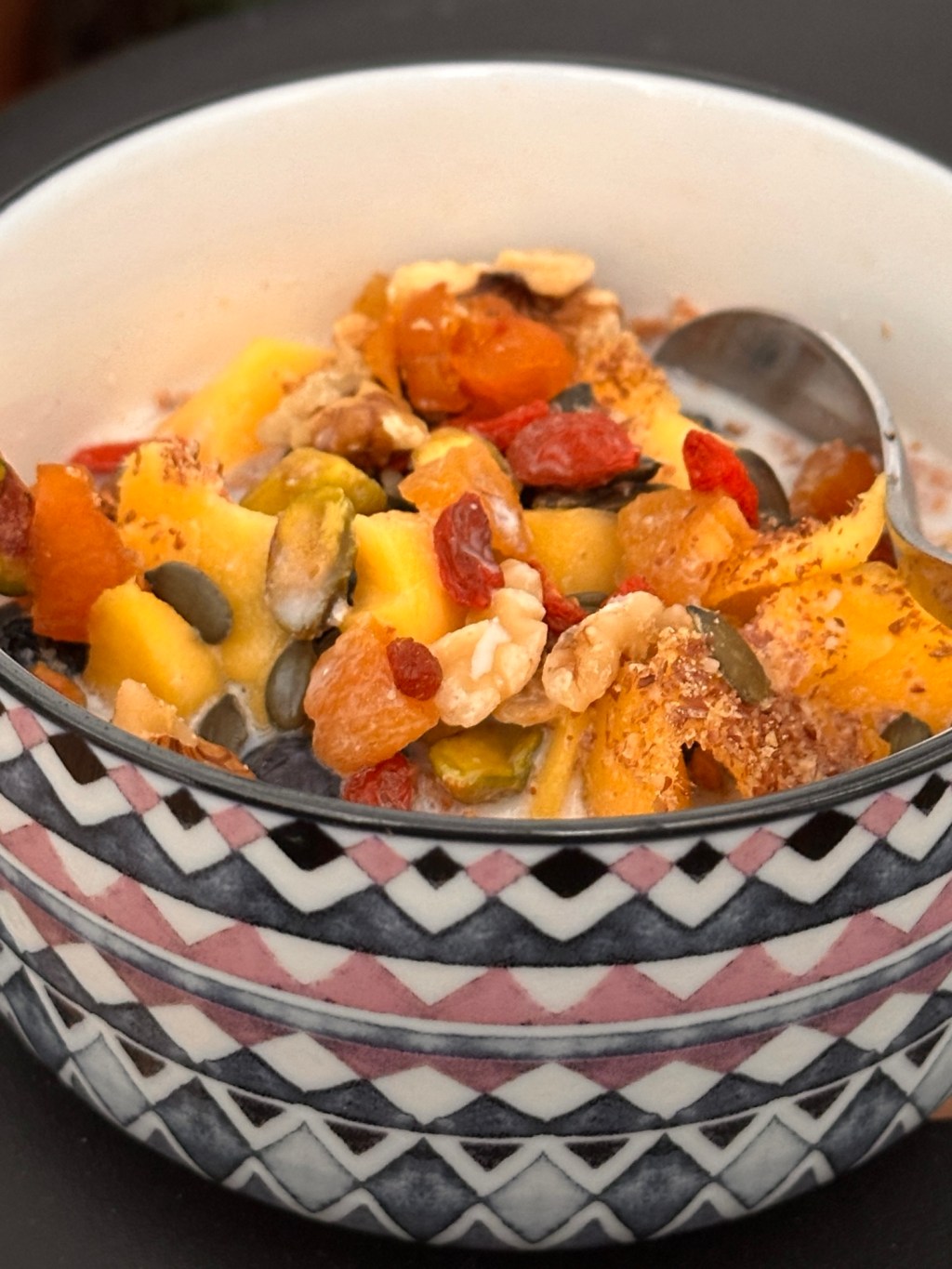
nourishment losing its meaning in an age of mass production.
I would uninvent mass production—not out of nostalgia, but as a rebellion against a system hijacked by corporate greed, where food is valued only for profit, not for the bodies and lives it sustains. Mass production may fill stomachs, but it starves senses, culture, and the intimacy of eating.
I would uninvent it for the farmer who no longer sees seasons in the soil, for the eater who no longer tastes the story in a bite, and for the body that slowly unravels under synthetic convenience. To uninvent mass production is to reclaim nourishment from the clutches of profit, restoring meaning to the act of eating, to slow down, to taste, to know what sustains us beyond efficiency.
Food is more than fuel—it is memory, ritual, and life itself. Nothing that threatens those things for the sake of greed should survive.
-
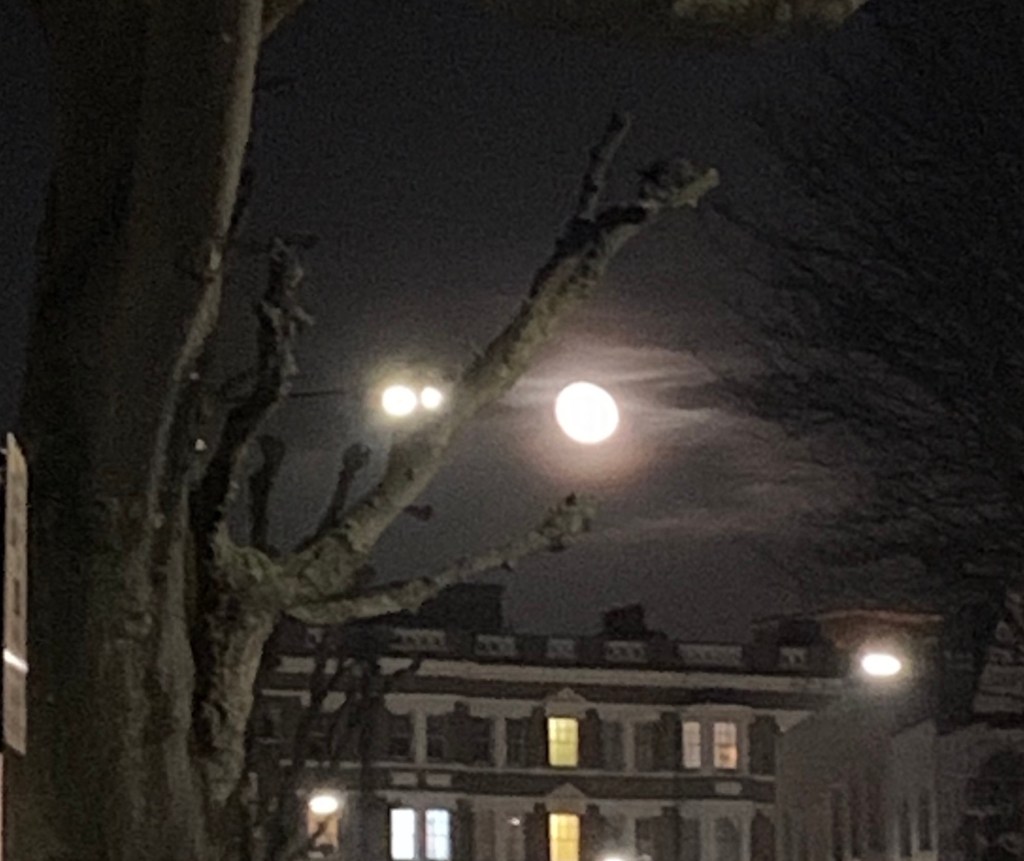
If you didn’t need sleep, what would you do with all the extra time?
Well seeing as those presious extra hrs would be during night fall
I’d start with Moonlit walks
Soft light, long shadows, and quiet roads. It naturally slows your heartbeat
first thing I’d notice is how the darkness comes at me layers, Deep blues, soft violets, pockets of shadow, and the occasional warm spill of gold from a streetlamp. My eyes adjust, and everything starts to reveal itself.
I walk slowly, letting the scene find me instead of hunting for it.
I notice as a puddle catches the light and the reflection of the scene nearby, just right. I hold my breath, and take the shot. The shutter clicks quietly, like it doesn’t want to disturb the silence
A little farther on, a single moth circles a lamp, its wings flickering like paper cutouts. I raise the camera again, adjusting the focus gently, trying to catch that split second where its wings blur into a soft halo.
The air feels alive in a way daytime never is. There’s a sense of privacy, of being let into something sacred.
Each photo feels like I’m collecting pieces of the quiet.
not aiming for anything specific and suddenly the moon washes the pavement with pale silver, and the shadows stretch long like they’re reaching for me. I plant my feet, lift the camera, and hold still. I wait for the light to settle.
Night has its own language, the lens is my translator
I keep walking, camera warm in my palm, ready for the next opportunity
-

Beach or mountains? Which do you prefer? Why?
How do you choose between those two moods?
You don’t.
You shouldn’t!
Because they’re both part of the emotional landscape we’re learning to tune into.
That’s the heart of letting yourself notice how different visuals, textures, and surroundings shape how you feel. Some days we need the soft, rolling rhythm of the sea. Other days we crave the grounded strength of a mountain ridge.
I can’t choose.
-

If you could meet a historical figure, who would it be and why?
If I could meet Confucius,
I think he’d remind me that wisdom doesn’t shout
it listens.
That respect starts in the quiet places:
the pause before reacting,
the choice to see someone’s worth
even when the world looks past them.
He’d say growth is possible for everyone
not instantly,
but slowly,
deliberately,
like learning to breathe with intention.
He’d teach that harmony isn’t about sameness,
but about understanding
about hearing someone else’s song
and letting it matter.
And maybe that’s why I’d want to meet him.
Because his beliefs aren’t ancient relics
they’re the medicine we still need today:
kindness with backbone,
humility with purpose,
respect that rises above the noise.
If I could meet Confucius…
maybe I already do.
Every time I choose compassion
over pride.
Every time we treat each other
with the dignity he lived for.
That’s how we meet him.
And that’s how we become
a little better
than we were yesterday.
-
Do you trust your instincts?
When something “feels right” or “feels off,” it’s usually because our brain is recognising familiar cues before we’ve had time to analyse them. But instincts work best when they’re supported by awareness—when we can connect that inner nudge to what we know, what we’ve seen, and what we’ve mastered over time. In that balance between intuition and experience, our instincts become not just impulses, but informed.
So in in short “YES”
-
Steps from pencil sketch to upload to affinity designer. black and white render, though to colour artwork
-

-
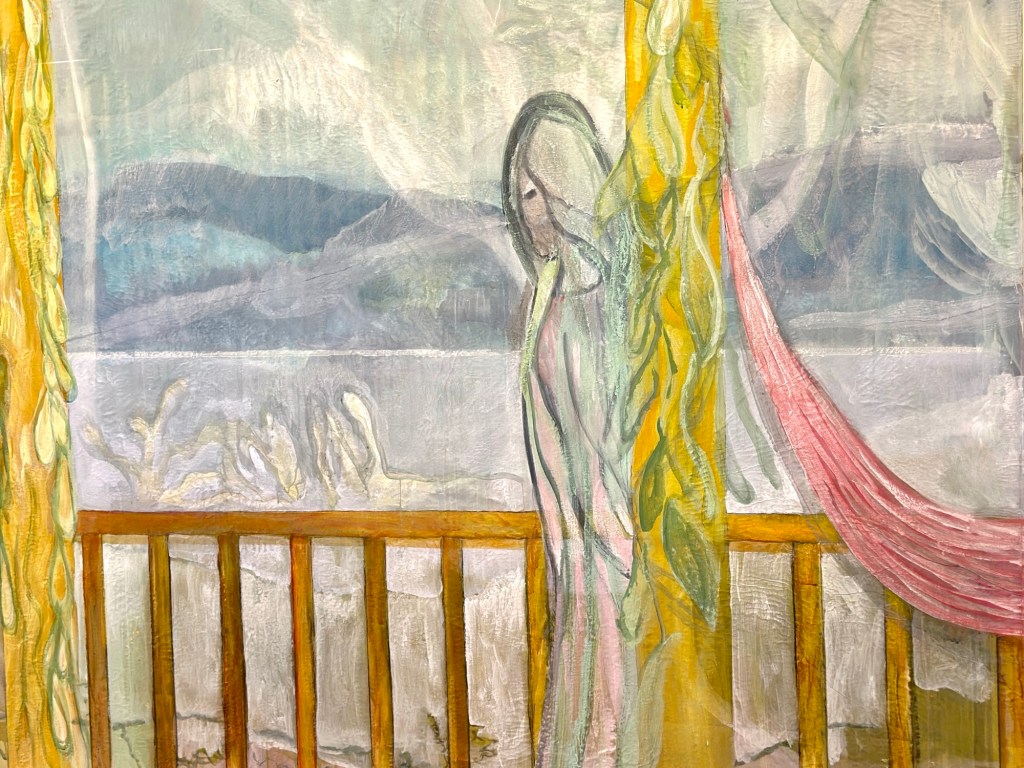
House of Music 10 oct 2025-8 Feb 2026
At the Serpentine South Gallery, Peter Doig’s “House of Music” turns the act of looking into an act of listening. Running from 10 October 2025 to 8 February 2026, the exhibition draws you into a world where painting meets rhythm — where sound, colour and memory move together in harmony. Doig, known for his dreamlike and deeply atmospheric work, invites visitors to experience art not as something still, but as something that breathes and hums with life.

House in the clouds 20125, distemper on board mounted paper. Instead of the quiet stillness we expect from galleries, this one pulses with music. Doig’s paintings, many created during his years in Trinidad, hang beside restored vintage sound systems, their speakers filling the space with the tracks that shaped his creative journey. On the opening day, Doig himself was there, tuning the sound system and letting it play the soundtrack to his life — a blend of calypso, reggae, jazz and those perfectly imperfect recordings that carry history in their hiss.
The title House of Music comes from a lyric by Trinidadian calypsonian Shadow (Winston McGarland Bailey), whose spirit runs through the exhibition. His songs, and Doig’s paintings of him, speak to the idea that music and art are both forms of storytelling — ways of holding on to places, moments and emotions that might otherwise drift away.
The show isn’t about moving quickly through a list of artworks; it’s about staying. The Serpentine has become a space for gathering, with weekly “Sound Service” sessions where artists and collectors share their own music through Doig’s restored systems. It feels open and communal — an environment where you’re encouraged to slow down, listen, and connect with both the art and the people around you.
It was exciting turning up at the serpentine today and finding Peter Doig (in the green) himself tune the delicate sound system
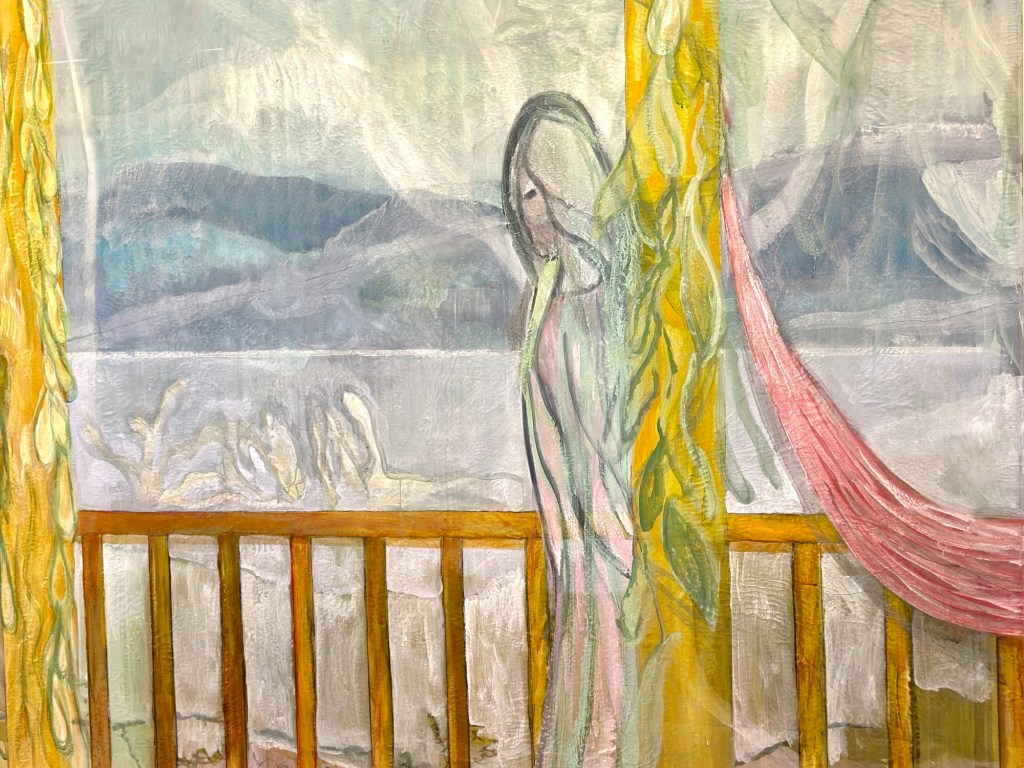
Peter Doig
House of music
Ultimately, House of Music is about presence — being in the moment, surrounded by sound, colour and memory. Doig reminds us that art doesn’t just decorate life; it shapes how we feel and move through it. His paintings hum softly with the rhythm of belonging, proving that art, like music, is always better when shared.
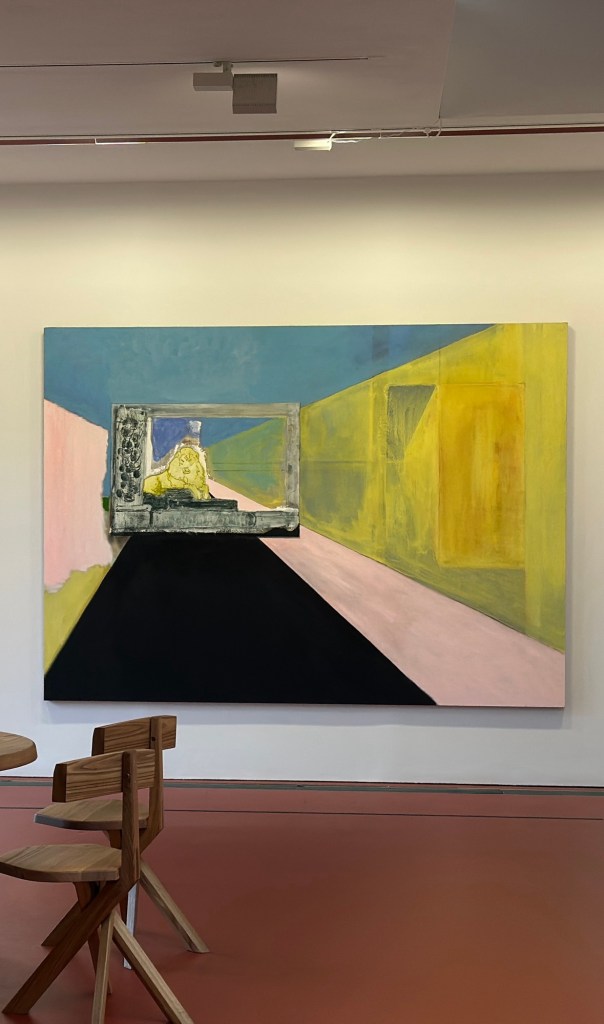
Lion in the road 2015, oil and distemper on linen. 
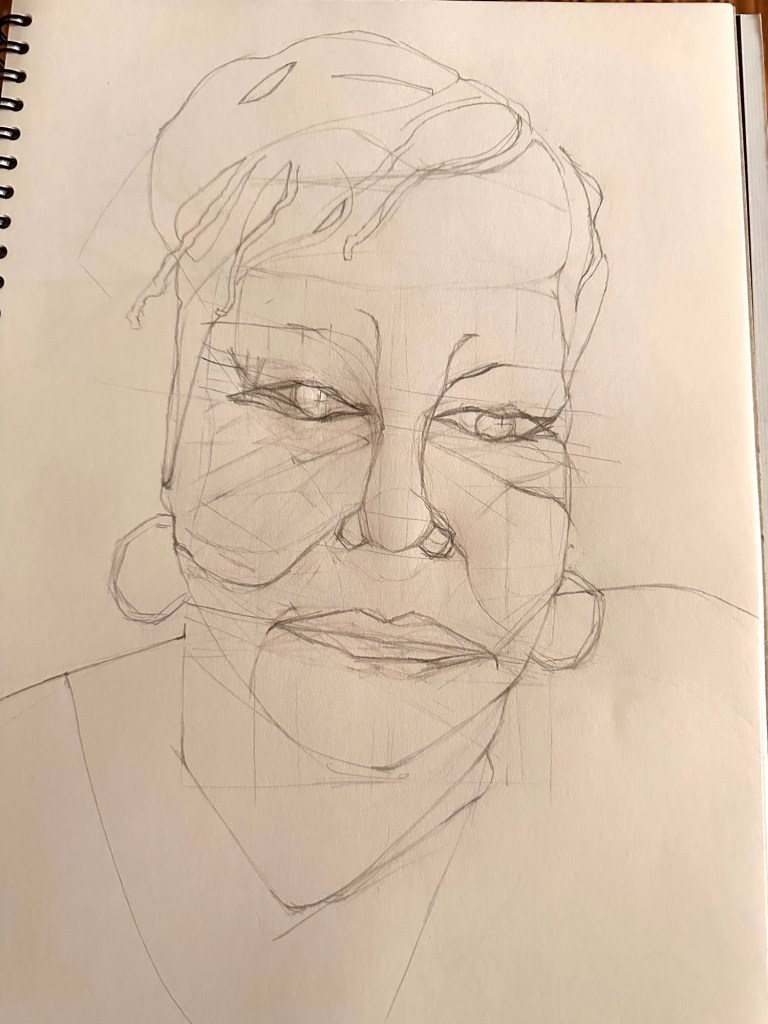
 VERDANT AFRO ART