Watched the latest series of White Lotus
(Need I say more) set in Thailand
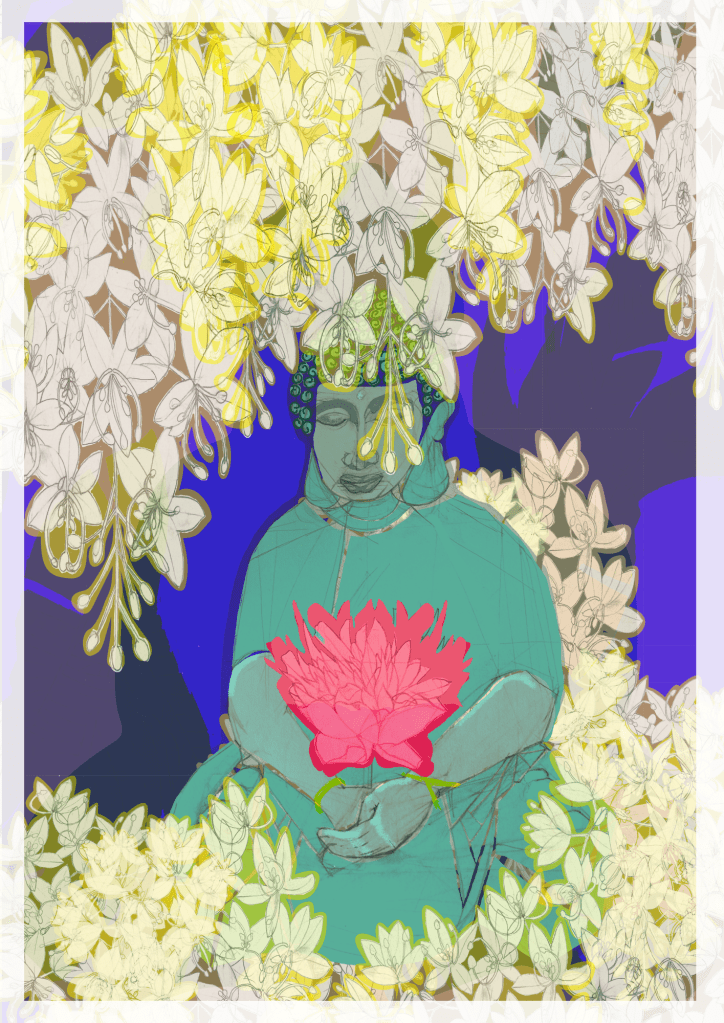
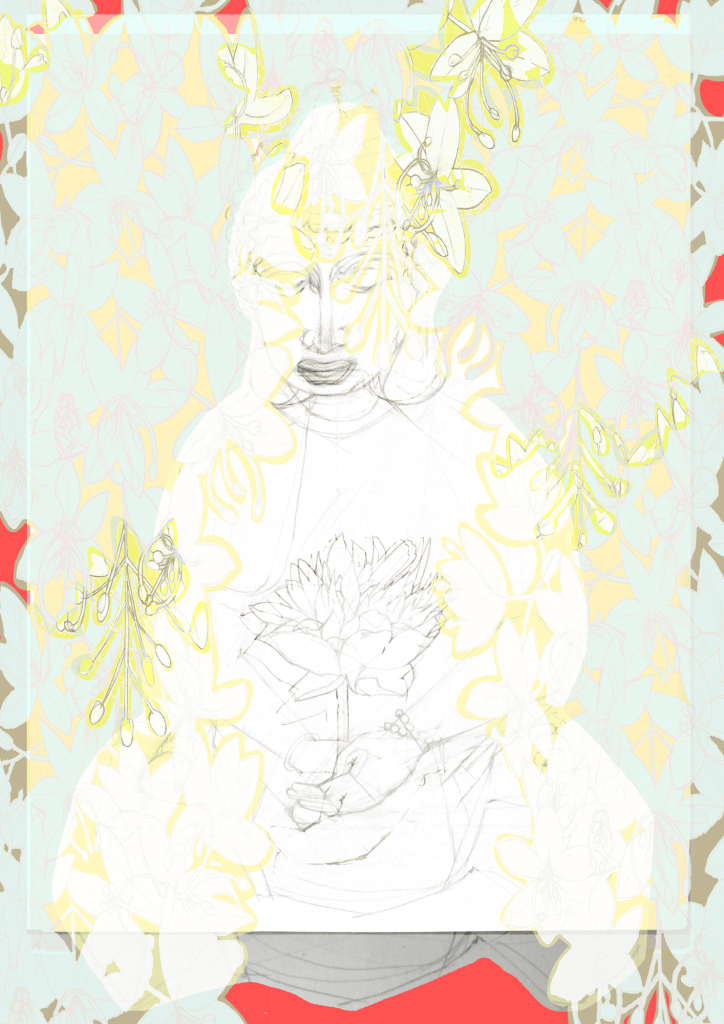
Watched the latest series of White Lotus
(Need I say more) set in Thailand
Walthamstow Wetlands
One of my favourite outdoor spaces in London and part of the Walthamstow Reservoirs Site of Special Scientific Interest.
I visited earlier this it’s usually so green and lush, it had died back quite a bit because of the time of year
But there were some amazing pockets nature, Calming spaces and The sound of the birds and the sunlight streaming through
Can’t say I improved on it but I liked the idea of a humming bird harmoniously hovering nearby
#procreateDreams #illustration #mixmedia #animate #TracyAntoine #VerdantAfro
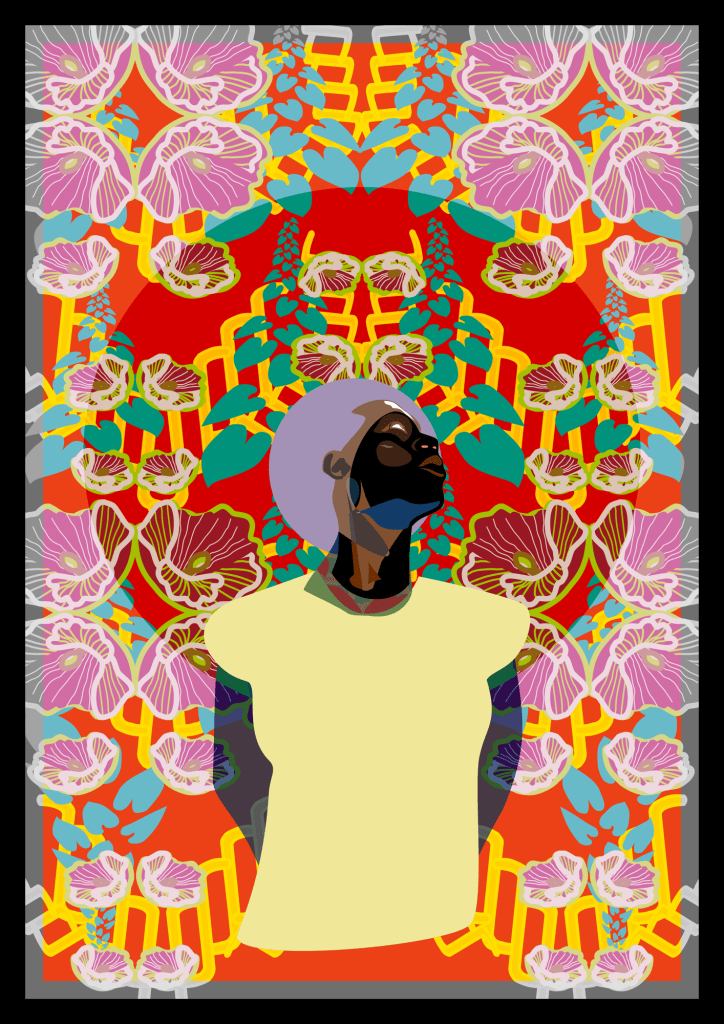
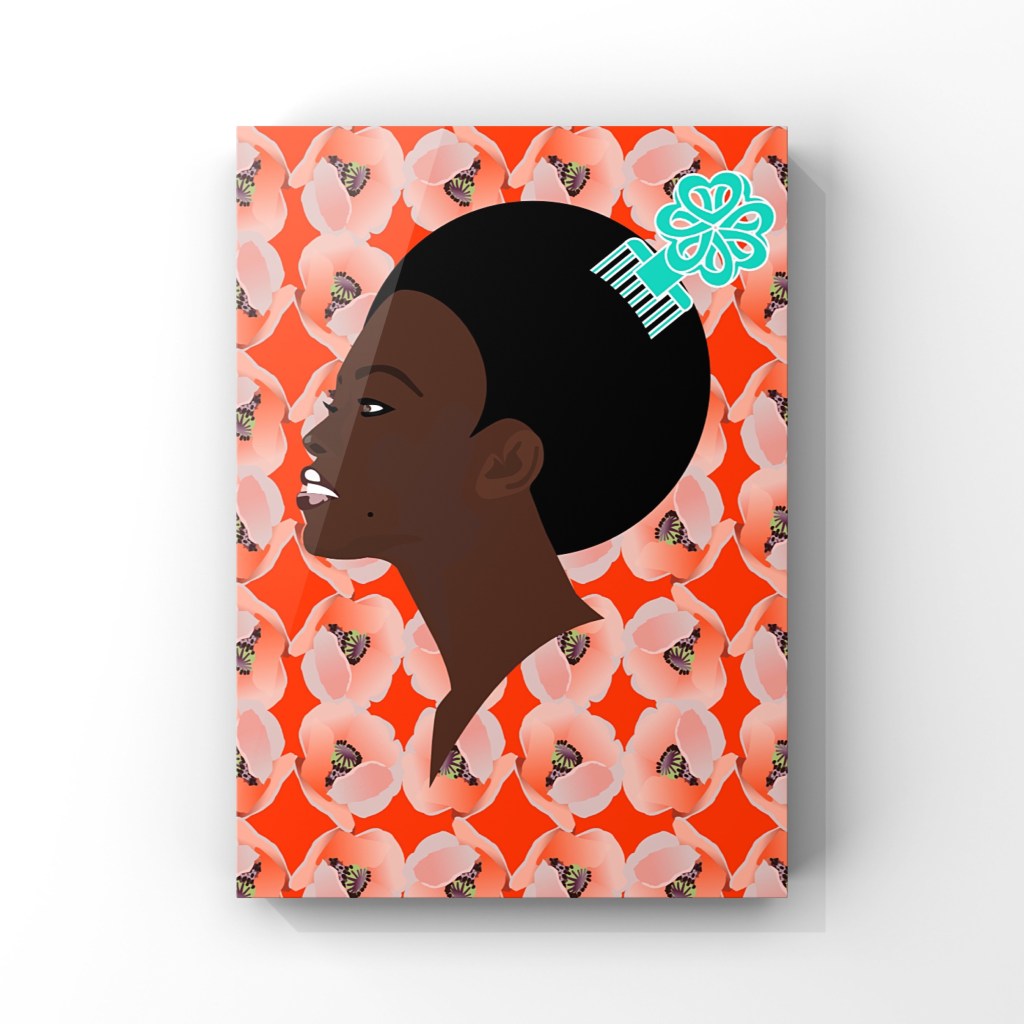
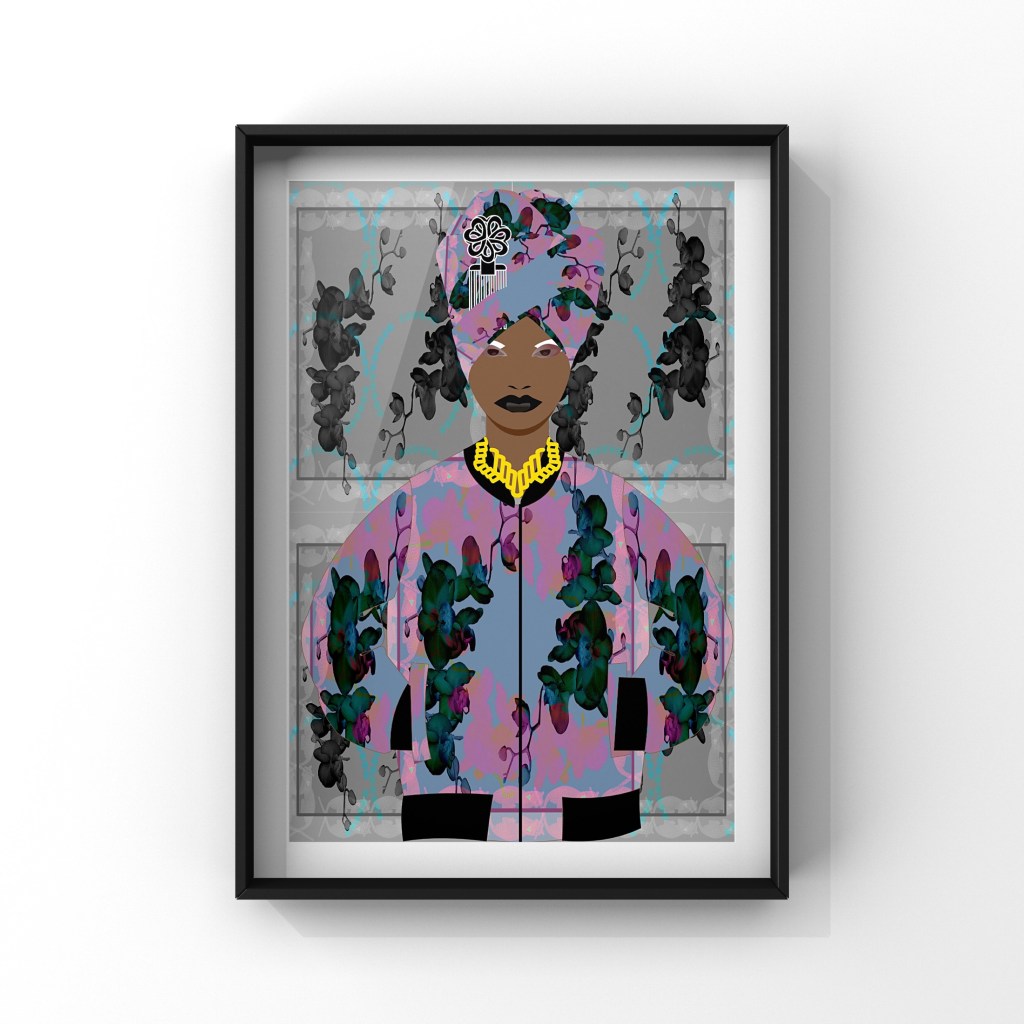
With myself portrait I was aiming to capture all the things I love about textile surface pattern design. Geometry, florals, the energy of colour and my thought process. Layered in a visually rich way.
Here’s a revised version of your statement with some expanded vocabulary:
In my self-portrait, my objective was to encapsulate all the elements that captivate me about textile surface pattern design. It became a visual celebration of geometry, florals, and the dynamism of color, all intertwined within a multi-dimensional exploration of my creative thought process. I aspired to layer these components in an aesthetically opulent manner, ultimately reflecting my love for the textile design medium.
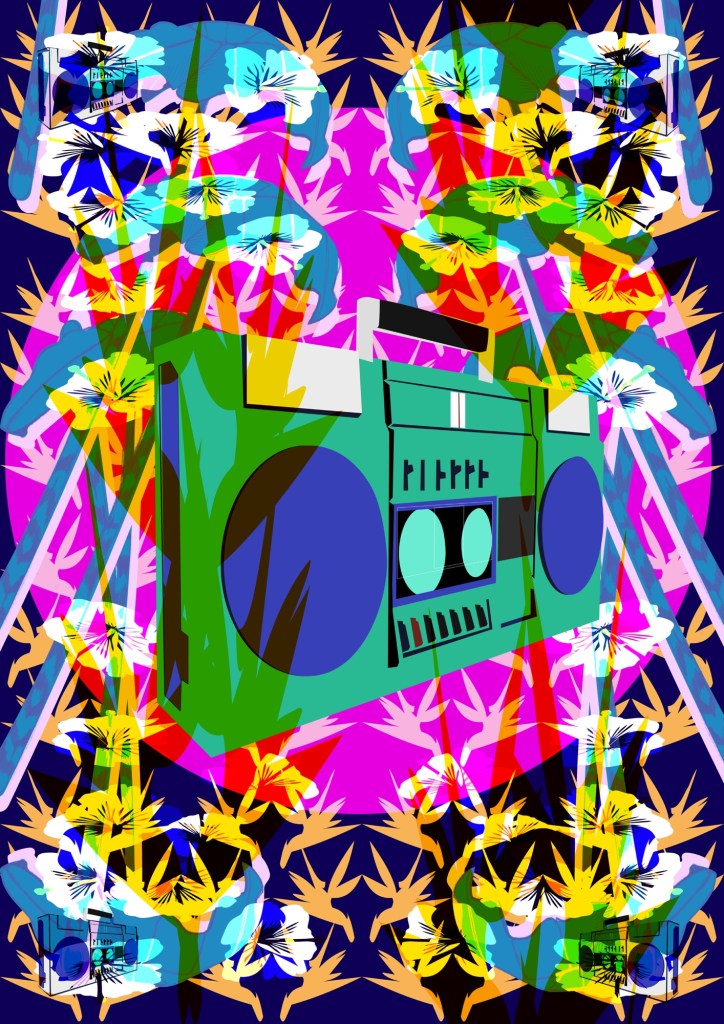
Portrait of a ghetto blaster
My fascination with the iconic ghetto blaster emanates from a deep-rooted desire that took hold in my youth. Growing up with an affinity for urban music genres such as hip-hop and R&B, the allure of possessing a portable sound system that allowed me to immerse myself in music, while sharing it with others, became an enduring aspiration. This artwork embodies that sentiment, utilizing vibrant colors to capture the euphoria and the boundless joy that the ghetto blaster represents to me, while evoking a sense of nostalgia for a time when music and community converged in the streets

The iconic ghetto blaster, also known as the boombox, holds a significant place in the history of urban culture, particularly in the 1980s. It was a portable music player, often powered by multiple batteries, featuring built-in speakers and a handle for easy transportation. Ghetto blasters were more than just a music player—they represented freedom, individuality, and a cultural revolution.
Origins:
The first boombox was developed in the Netherlands by Philips in 1969. In the United States, the popularity of these portable sound systems soared during the late 1970s and early 1980s, largely due to their association with the burgeoning hip-hop scene.
Cultural Significance:
The ghetto blaster became an emblem of urban street culture, especially in African-American and Hispanic communities. Young people would gather on street corners, breakdancing and emceeing, sharing their music and showcasing their skills. Ghetto blasters were instrumental in the rise of hip-hop and rap music, enabling artists to perform and share their work in public spaces.

Design:
Ghetto blasters were known for their large size, powerful speakers, and impressive sound quality. Some models even featured built-in equalizers, LED displays, and advanced audio features. As they evolved, manufacturers began incorporating cassette decks, and later, CD players, to broaden their appeal and functionality.
Legacy:
Today, the ghetto blaster has largely been replaced by smaller and more technologically advanced music players such as smartphones and portable Bluetooth speakers. However, the boombox remains an iconic symbol of a bygone era, evoking nostalgia for a time when music and street culture were intrinsically intertwined. Its impact on the development of hip-hop and urban culture cannot be overstated, leaving a lasting legacy that still resonates with music lovers worldwide.
What’s not to love.
Exploring the Artistic Genius of Yinka Shonibare

Hello lovers of art
Today, we’re diving into the vibrant world of Yinka Shonibare, an extraordinary British-Nigerian artist renowned for his thought-provoking works that blend cultural narratives and historical themes. Let’s take a closer look at his unique methods that make his art so captivating!

YINKA SHONIBARE
Discover the mesmerizing world of Yinka Shonibare and let his art challenge your perceptions of history, culture, and identity. His work is a vibrant tapestry that weaves together the past and present, prompting us to reflect on our own place within the global narrative.
🔗 Join the Conversation:
Have you experienced Shonibare’s art? Share your thoughts and favorite works using #ShonibareArt and let’s celebrate the rich, dynamic stories he brings to life!
Stay inspired and keep exploring!

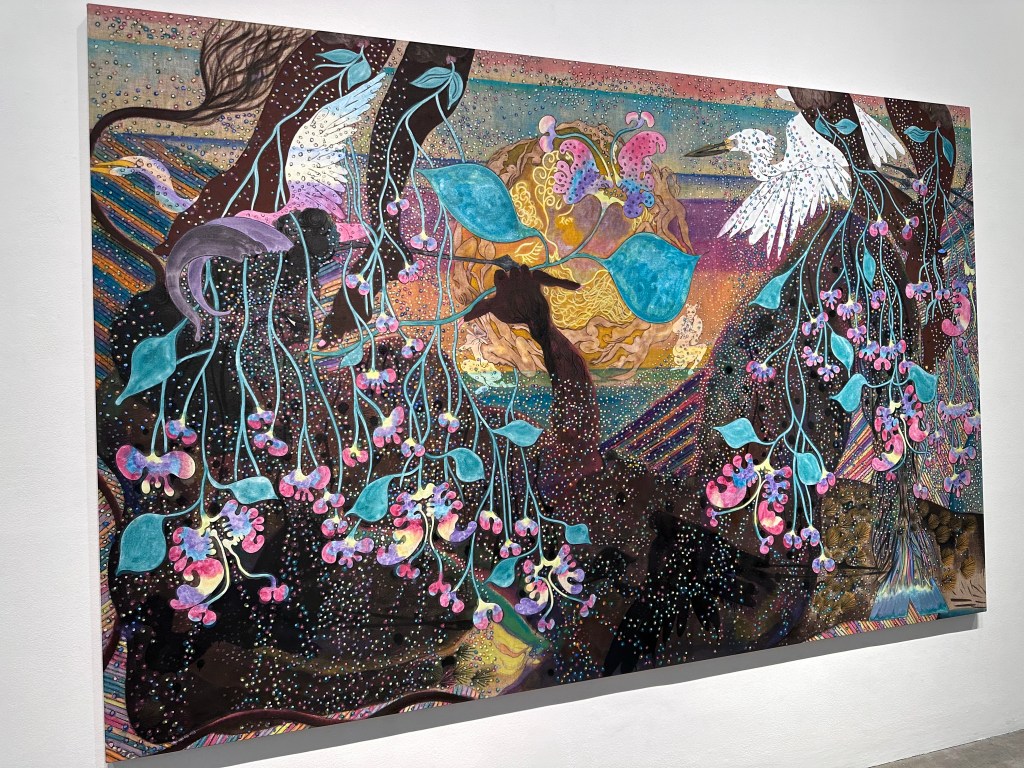
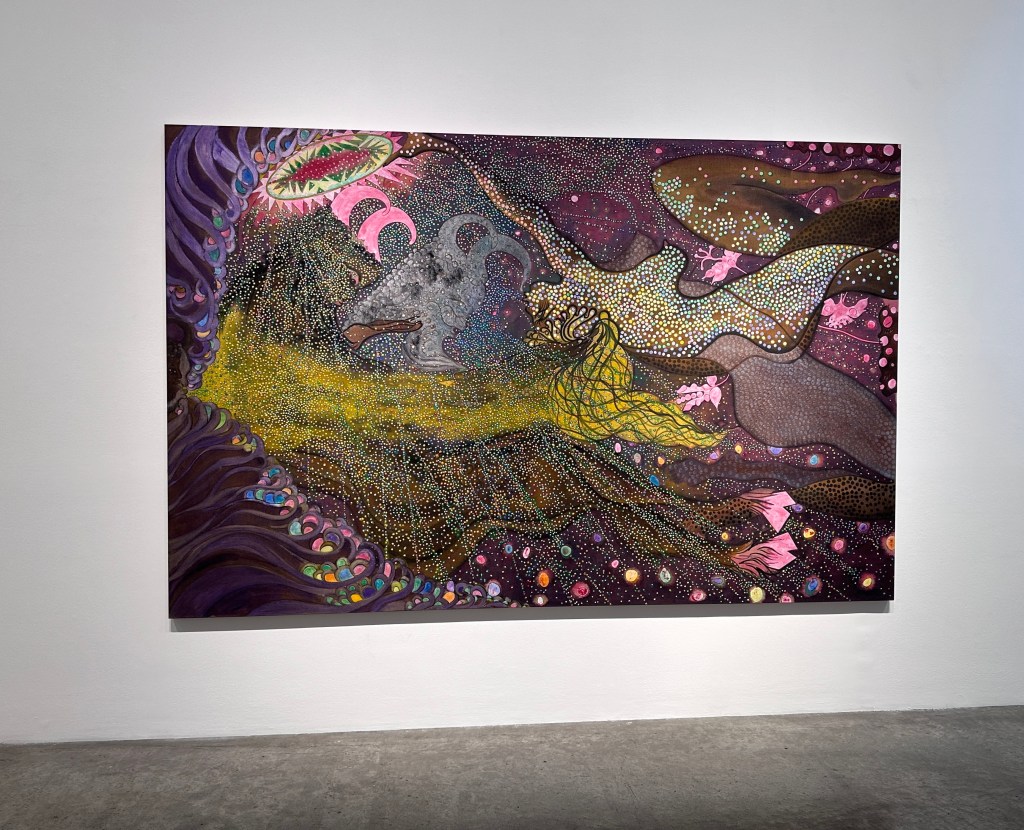
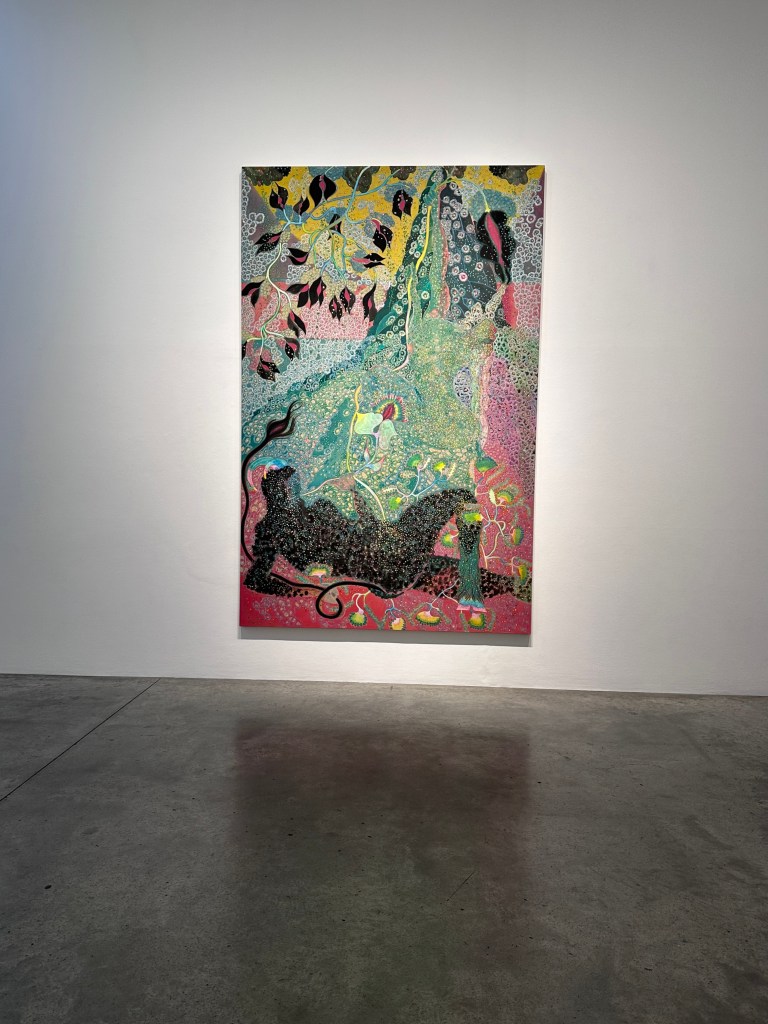
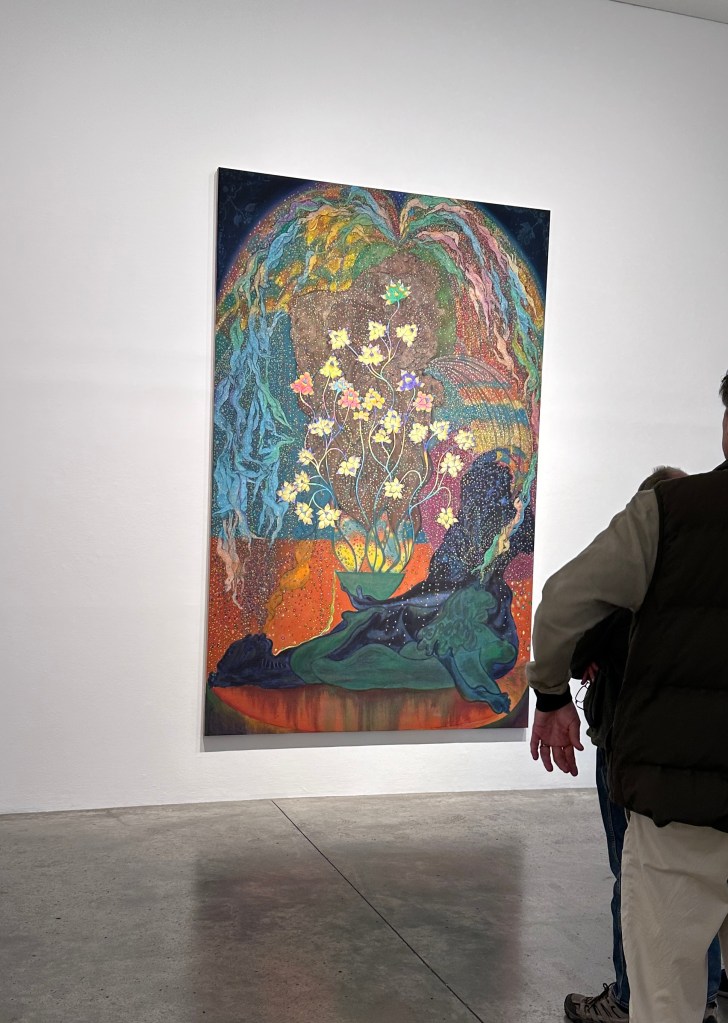
The images are from SUSPENDED STATES @ SERPENTINE SOUTH
12 April – 1 sept 2024
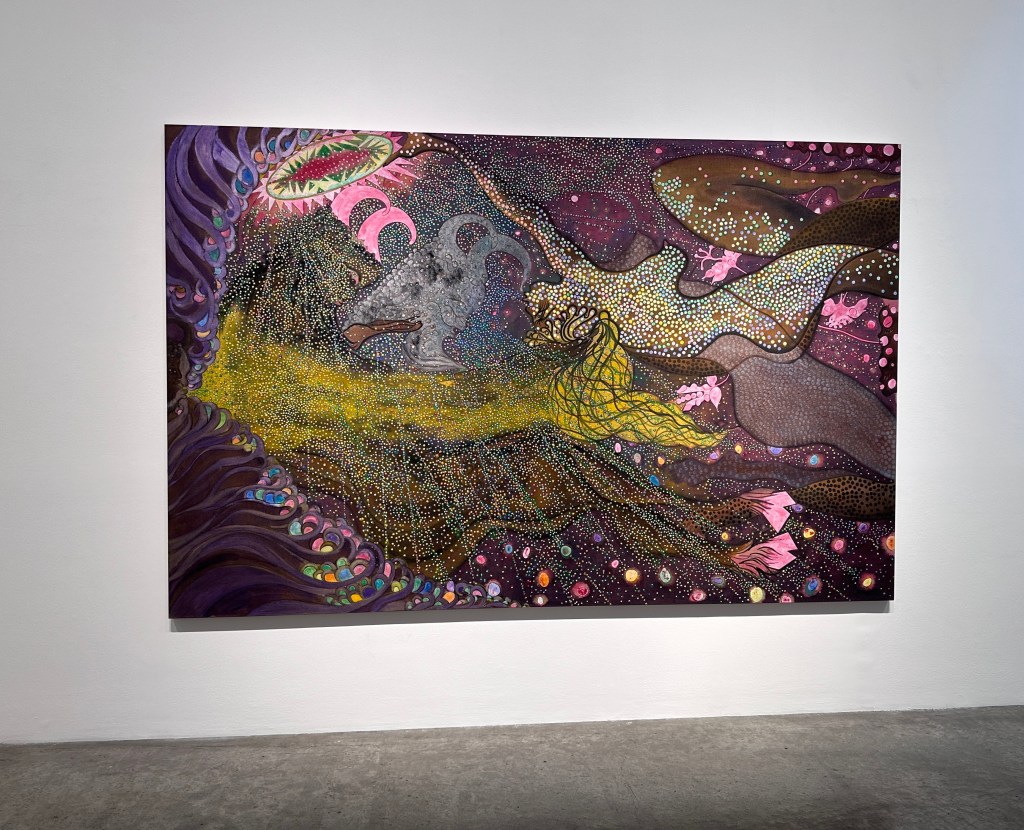
The seven deadly sins


 VERDANT AFRO ART